

2026 Vista Award winner Morristown Medical Center
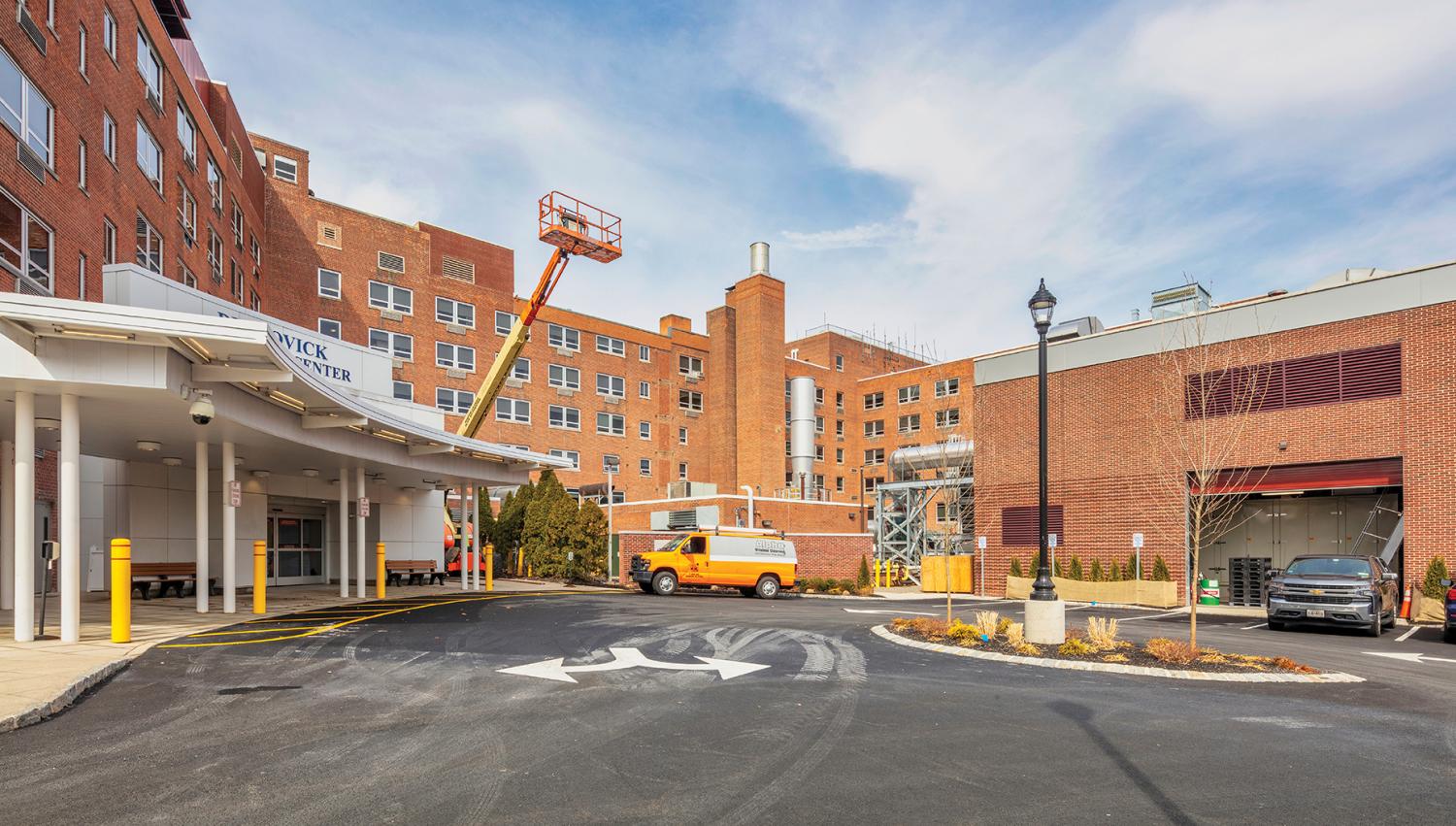
Superstorm Sandy in 2012, which knocked out power for days, was a wake-up call for Atlantic Health System’s Morristown (N.J.) Medical Center. Even though it continued to serve patients after the storm, hospital leaders realized that the facility’s outdated electrical system was long overdue for an overhaul.
“We had suffered two or three utility power outages a year, and that would really impact operations,” notes Patrick J. Burke Jr., director of engineering for Atlantic Health System. “Surgeries are suspended in the hospital when you’re running on emergency generator power. That’s a big dissatisfier, not only because of the lost revenue but also for the surgeons doing the work for the patients and their families.”
Morristown Medical Center performs up to 120 surgeries per day, so losing power at any point is a serious problem for many patients and their families and, of course, the hospital itself.
In 2020, the decision was finally made to revamp and modernize the existing electrical system, as well as build a new on-site cogeneration — or combined heat and power (CHP) — plant on the hospital campus. To create an electrical system with the ultimate level of dependability, the decision was made to build a system that, in times of crisis, could disconnect completely from the grid — which is called “islanding” — and generate all the power needed for the campus. The system also creates thermal energy for heating, sterilizing and other needs.
Untangling existing services
Prior to the completion of this project, Morristown Medical Center’s 30-acre campus was served by five separate electric utility services that powered seven transformers. Furthermore, all the hospital’s electricity ran through two feeder circuits that were connected to a substation located in a vulnerable position on the banks of the Whippany River. To top it off, the electrical infrastructure throughout the campus was antiquated.
Thus, the first major challenge of the project was untangling the interconnected power system and creating a streamlined, resilient design. That required serious on-site research and evaluation.
“We went into manholes, looked at old duct banks, pulled out old drawings and walked through all the spaces to figure out how we could physically tie together five different electric services that the hospital relied on down to only two and then tie everything back to new electrical service entrance equipment that the turbine could tie into,” explains John Moynihan, CEP, CEM, vice president of BC Energy LLC, the design-build firm that created the project. “That would give us three sources of power that would feed the campus under different conditions. So that was a tremendous amount of effort and ingenuity that we had to put forth to come up with something that would make sense to the hospital.”
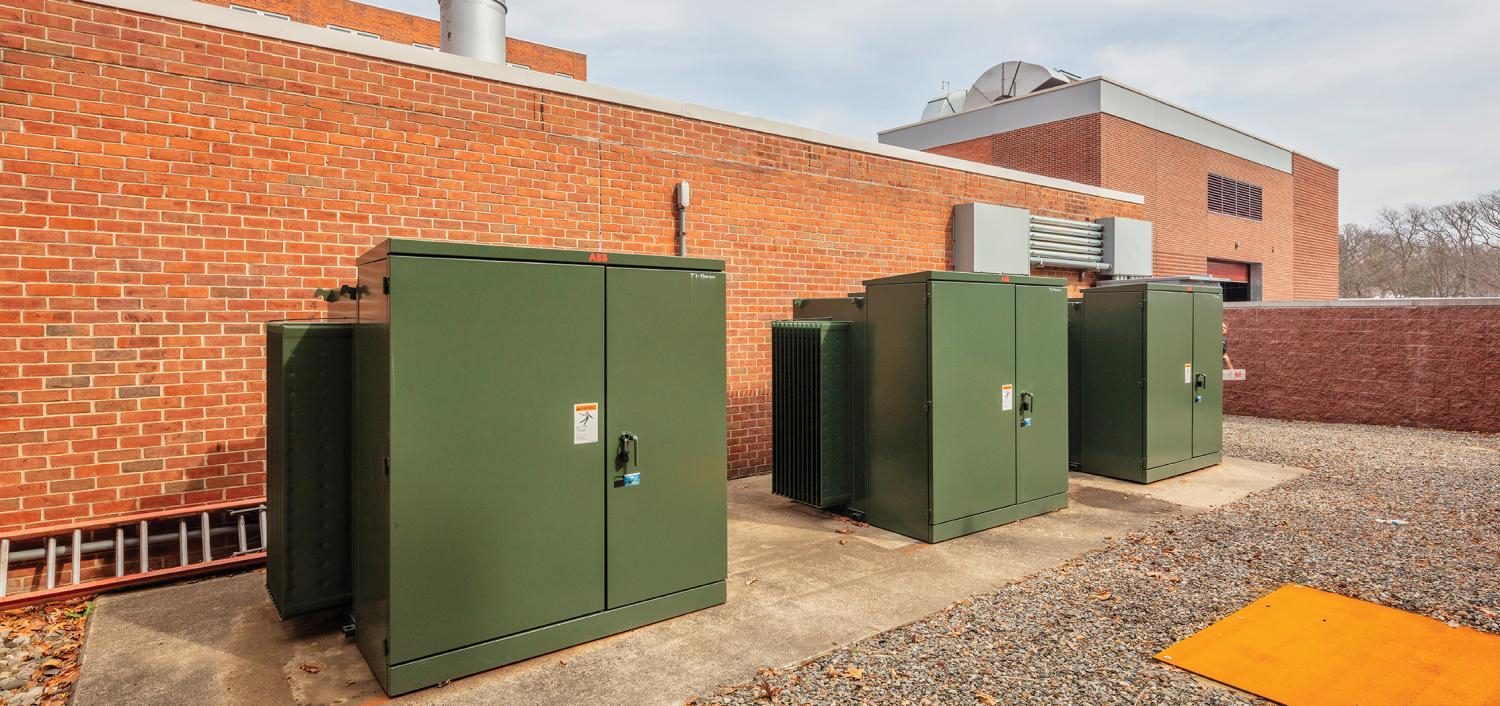
Three months of investigation led to a solution that used the existing underground conduits plus two new 800-foot underground duct banks and four miles of 15-kilovolt cables. They also replaced all seven utility-owned transformers and added new switchgear at two entry points and one new service entrance.
Adding generating capacity
The next challenge was creating the CHP plant. The design team considered various options to retrofit the existing boiler plant and finally decided to build an addition for a 4.6-megawatt gas turbine system and the associated electrical equipment and install a new heat recovery boiler — which would make steam from the waste heat in the exhaust of the turbine system — inside the existing boiler house.
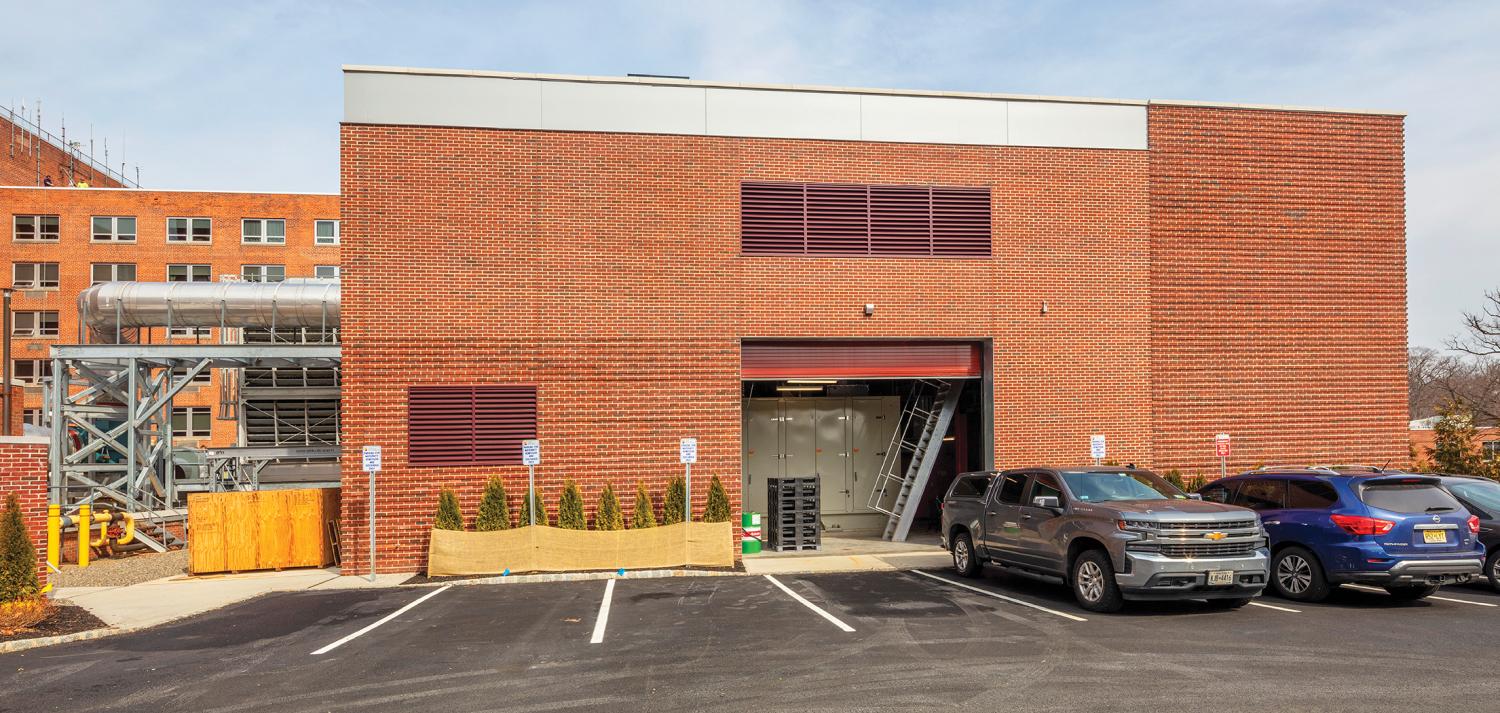
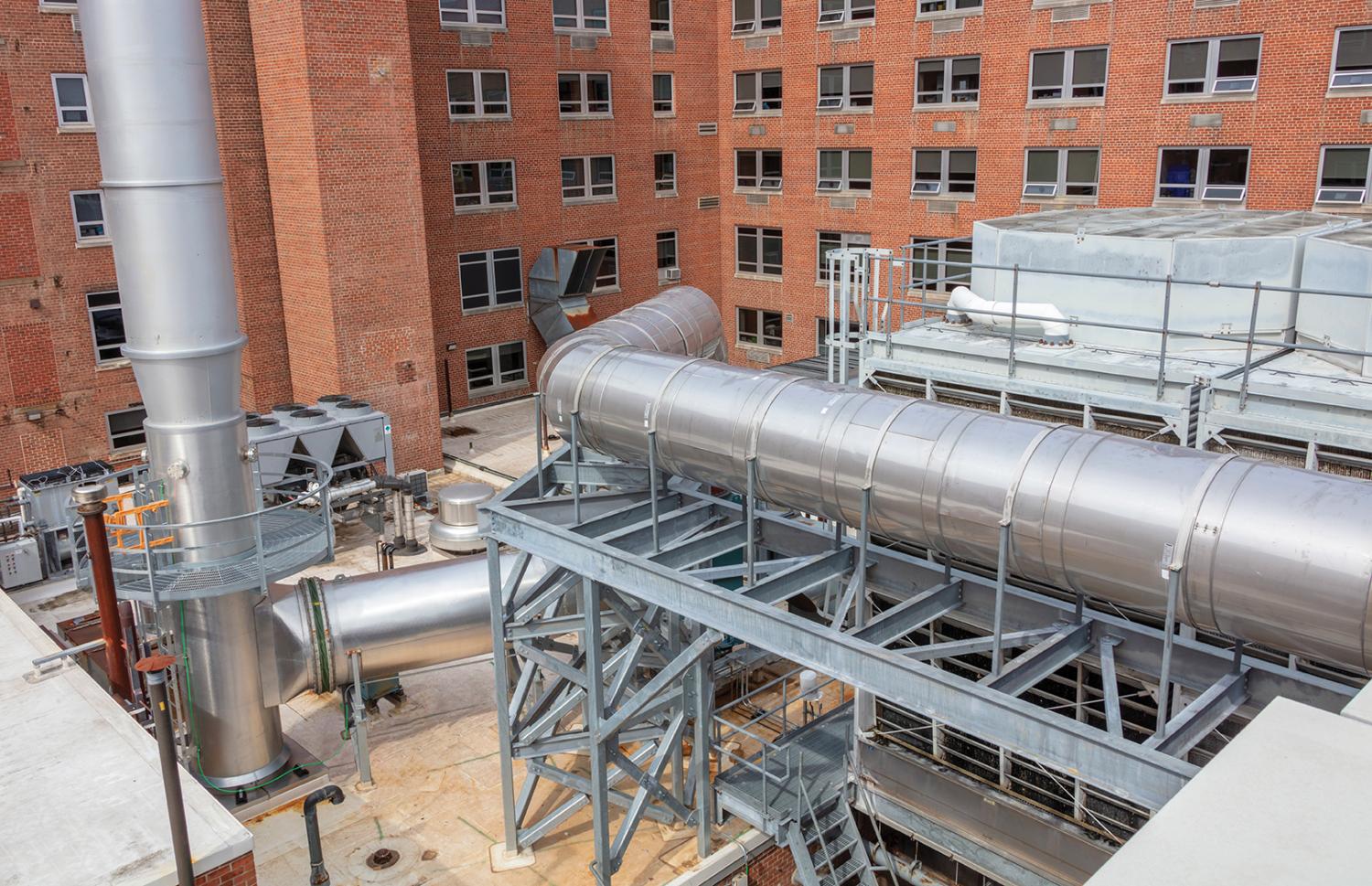
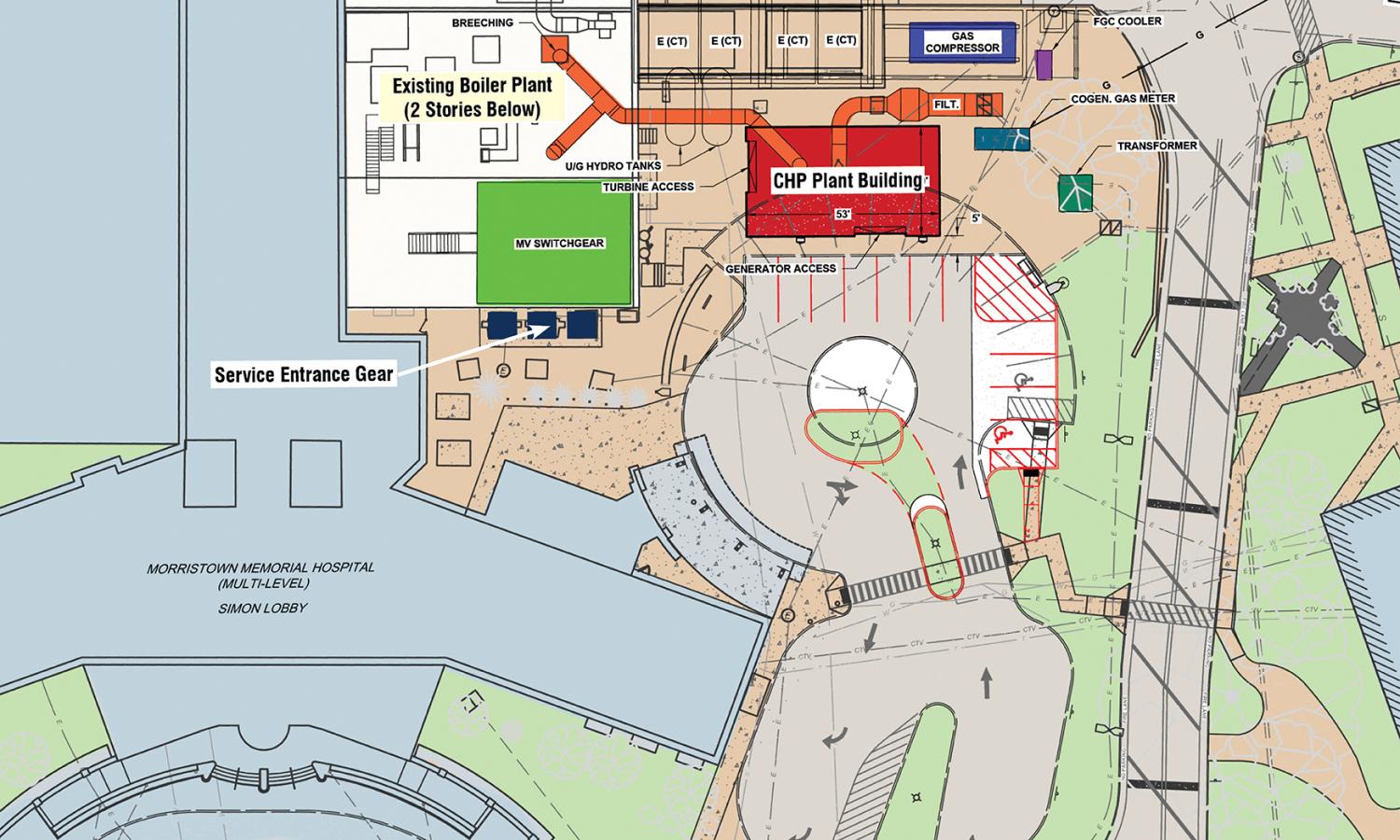
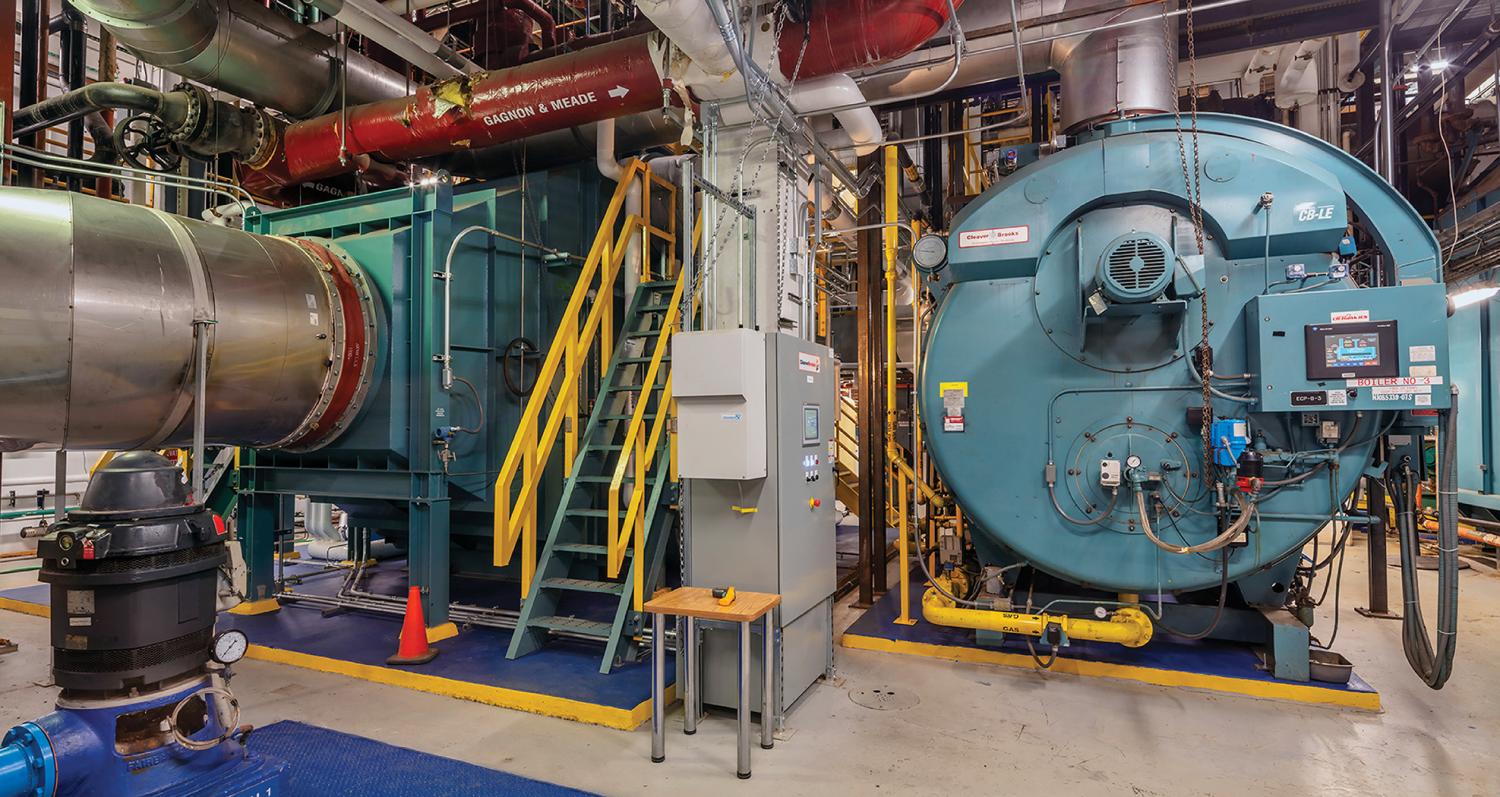
The problem with this plan was that the existing boiler house was already tightly packed, and the floor was two stories below grade and only accessible from a small hatch on the roof. They were able to get one old boiler out by cutting it into pieces that were small enough to fit into the freight elevator, and they shifted a second old boiler to a nearby space in the structure. Then they moved the new boiler in — also in pieces — and installed it on-site.
“I really have to give credit to the whole team on this one because of the amount of conduits, wires and pipes that had to get relocated to move one boiler one bay over and then to drop the new heat recovery boiler in from the roof,” Moynihan says. “It was like playing the game of Operation. It was meticulous planning, tracking down where old pipes, conduits and wires started from and where to relocate them so we didn’t impact the hospital in a negative fashion. It was really a team effort — really impressive.”
Testing without disruption
Installing any piece of new equipment in a hospital presents challenges. But installing new electrical equipment is particularly challenging because doing so often requires disrupting existing hospital services. In the case of the Morristown Medical Center project, simply testing the new system presented disruption challenges.
“We had a pretty extensive test plan where we had to create different scenarios, like whether it was a utility power outage or the turbine going down or something else,” Burke explains. “I think we had about 28 different scenarios. We brought in a team of 14 or 15 people on a Saturday, late in the afternoon, and we were going to test through the night, when it would be less intrusive to the operation. Unfortunately, we had a number of trauma cases come in via helicopter air transport, and each one required surgery. We had to just continue to put off the testing. First it was two hours, then it was four hours, then six hours.”
Burke had to call off the testing that evening but came back two days later on Monday evening. “We were able to get through probably 80% of the testing in that one night,” he remembers. “So that actually went very well.”
Smooth hand off
Electrical projects are complex to accomplish, and the systems are complex to run afterwards. For that reason, a smooth hand off from builders to operators was essential.
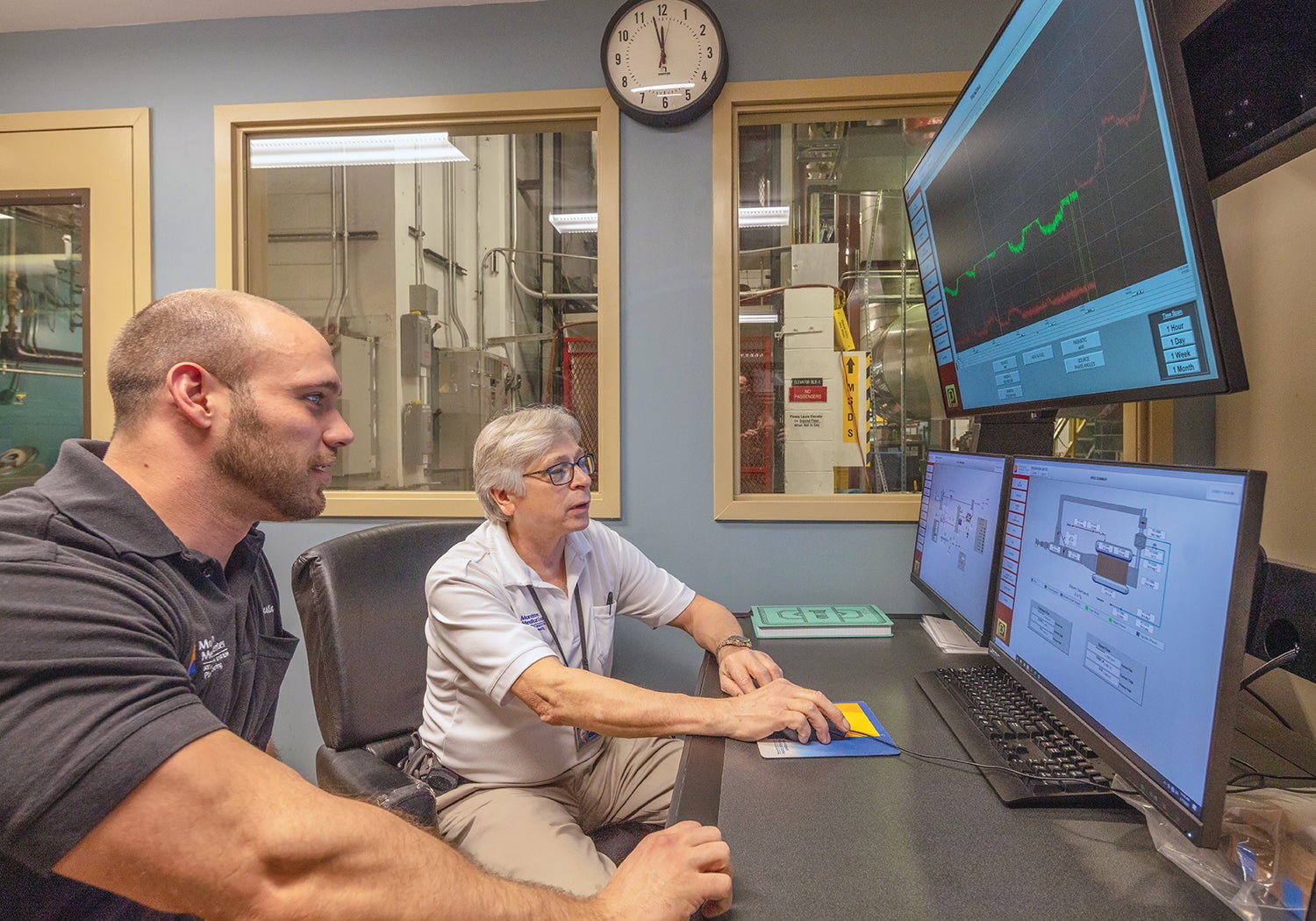
Critical to the hand off was the fact that several Morristown Medical Center operations employees shadowed the construction team throughout the process. These individuals also participated in the operations training and shadowed the group during the commissioning process.
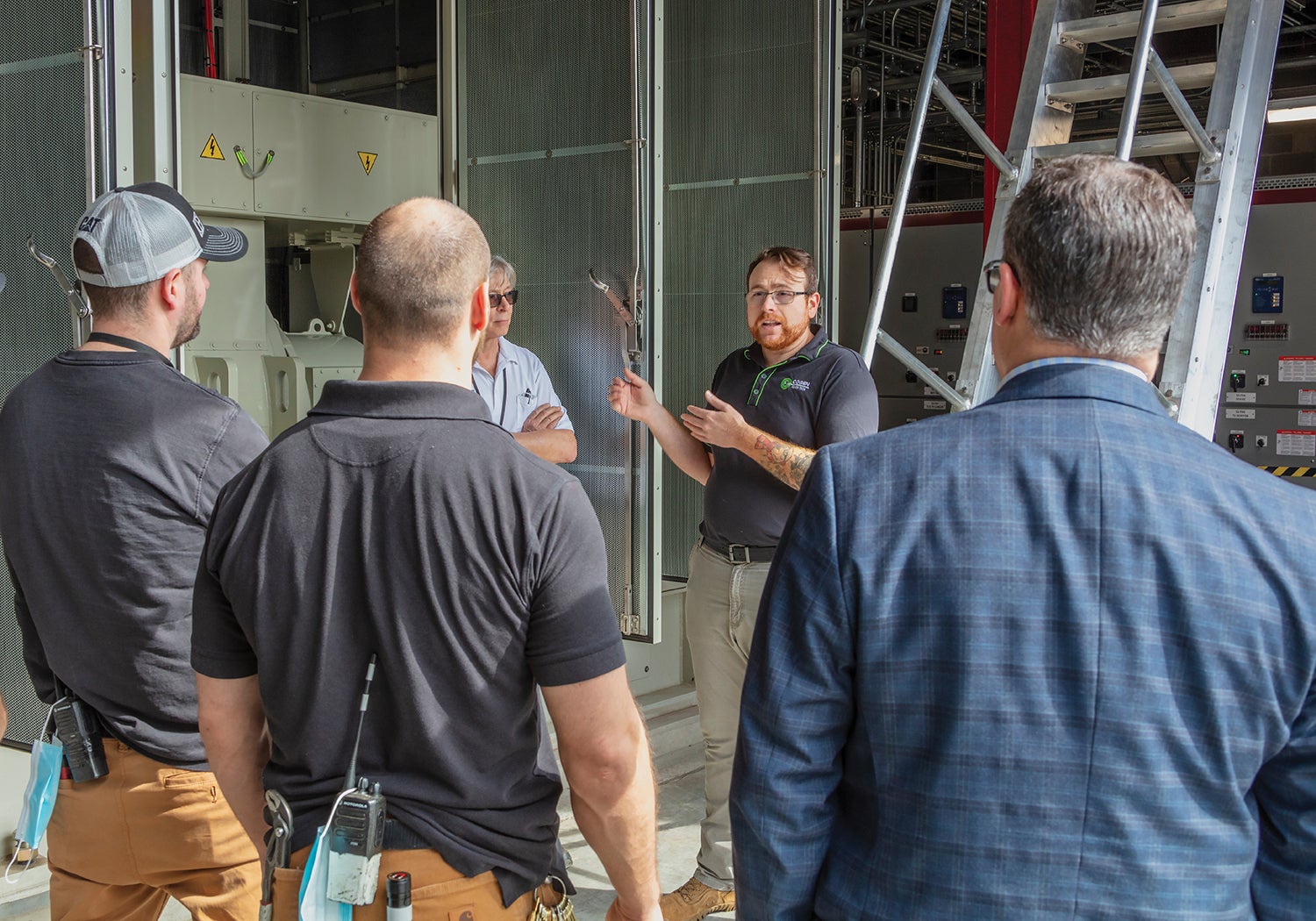
“Then we stayed for an extra month or so to help make sure their operators were comfortable with operating the new equipment and to walk them through their day-to-day operational and maintenance requirements,” Moynihan says. “And they embraced it, which is a big part of why they’ve had such great success operationally and financially, with this plant exceeding their runtime estimates as well as their savings estimates.”
Reliability and savings
The project started in June 2020, wrapped up in October 2021 and came in $500,000 under budget.
Since the cogeneration plant opened, the hospital has enjoyed more than $3.8 million in annual utility savings, which is $1.4 million more per year than envisioned. The plant now produces more than 70% of the campus’ total electricity needs and more than 50% of the steam.
“It is very impressive that they exceeded all their penciled-out estimates,” says Jason A. Piper, executive director of planning, design and construction at AdventHealth Multi-State Division in Merriam, Kan., who chaired the Vista Award Task Force. “I also was impressed with the teamwork because it was such a complicated project, with the five previous sources of electricity they had to account for and redoing all the infrastructure. The teamwork had to have been outstanding.”
At the end of the day, the best accolade the team can get is a hospital that runs without power interruption, even when the utility companies cannot deliver it.
“Anytime the lights flicker in the building, my cellphone rings, and it’s the manager of the surgical area, who asks, ‘Are we on emergency (generator) power?’” Burke says. “And since this system went live, the answer is ‘no.’ At that point I hear, ‘OK,’ and she hangs up.”
Project info
- Square footage: 2,310 new and 500 renovated
- Cost: $19.7 million
- Start date: June 2020
- Completion date: October 2021
Project team
- Robert Peake, vice president of facilities management and real estate at Atlantic Health System in Morristown, N.J.
- Patrick J. Burke Jr., director of engineering at Atlantic Health System
- Karen Martinez, director of construction at Morristown (N.J.) Medical Center
- John Moynihan, CEP, CEM, vice president of BC Energy LLC in Latham, N.Y.
- Matthew Bette, member of Bette & Cring LLC in Latham
- Bob Gerard, senior business development manager at Holt Construction in Pearl River, N.Y.
- John McDevitt, vice president at PWI Engineering in Cherry Hill, N.J.
Ed Avis is a freelance writer based in Chicago.
Related Articles
NFPA weekly update: Sept. 14-18
A tentative interim amendment on weapons detection systems was added to NFPA 5000, Building Construction and Safety Code.
The facilities manager’s role in reducing healthcare-associated infections
From multidisciplinary communication to establishing safety procedures for construction, remediation and maintenance, facilities teams play a critical hand in reducing patient infections.
AdventHealth expands in Tampa Bay with new patient tower
Expected to open in 2029, the new six-story patient tower at AdventHealth Carrollwood will expand inpatient and surgical services for the rapidly growing area.