

CMS data highlights opportunities to advance emergency preparedness
Emergency preparedness continues to be a significant compliance survey challenge for health care organizations, with the Centers for Medicare & Medicaid Services (CMS) reporting that 27.7% of facilities surveyed receive one or more emergency preparedness (EP) deficiency citations. These findings underscore the importance of maintaining a robust emergency management program to protect patients, staff and operations during disasters and other disruptive events.
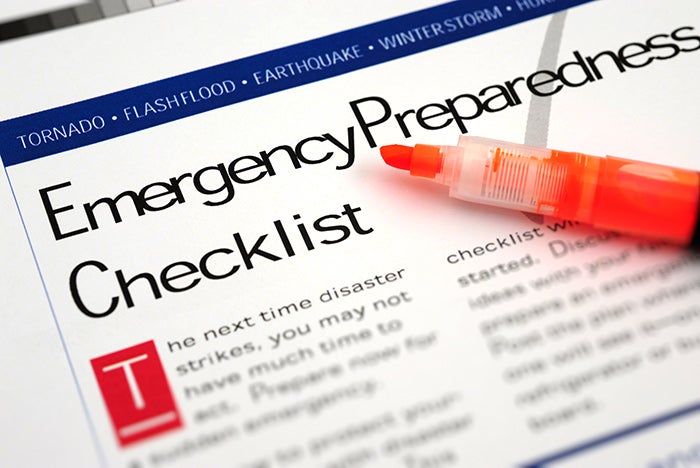
Failure to meet CMS emergency preparedness requirements can place patients and staff at greater risk during emergencies and may hinder coordination with local, state and federal response partners when response capabilities are needed most.
For hospitals and critical access hospitals (CAHs), survey data from 2022-24 reveal a notable difference in compliance rates. While 15.1% of surveyed CAHs received at least one EP deficiency citation, nearly 41% of hospitals, including psychiatric hospitals, were cited for emergency preparedness deficiencies during the same period. Hospitals, CAHs and psychiatric hospitals are generally surveyed at least once every three years and are subject to the same CMS emergency preparedness requirements.
Among hospitals and CAHs, the most frequently cited deficiencies were:
- Emergency power requirements;
- Emergency preparedness testing requirements;
- Provision of subsistence needs for patients and staff;
- Emergency preparedness planning and annual plan review; and
- All-hazards risk assessments and patient population considerations.
The citation data suggest that many organizations continue to struggle with maintaining documentation, conducting required exercises and ensuring plans remain current and operationally relevant.
How can hospitals improve emergency management compliance?
Organizations can reduce their risk of deficiencies by focusing on the areas most commonly cited during CMS surveys.
First, start by reviewing and updating the emergency operations plan annually, ensuring it reflects current hazards, operational changes and community resources.
Organizations also should conduct and document a comprehensive all-hazards risk assessment, demonstrating how identified risks are addressed through planning activities. It’s also critical to strengthen emergency power preparedness through routine testing, fuel supply planning and verification that critical systems can be supported during an outage.
CMS training and exercise requirements can be met by conducting required drills and exercises, and maintaining complete documentation of participation, evaluations and corrective actions.
Organizations also must validate subsistence and continuity capabilities, including plans for food, water, pharmaceuticals, medical supplies and staffing during extended emergencies. Be sure to leverage after-action reports and corrective action plans to demonstrate continuous improvement following exercises, incidents and surveys.
Finally, conduct internal mock surveys using CMS’s emergency preparedness Conditions of Participation and interpretive guidelines to identify and address gaps before a survey occurs.
Invest in emergency preparedness training
To support emergency preparedness survey readiness, the American Society for Health Care Engineering recommends its Physical Environment Survey Readiness Program: Emergency Management Module, available both as an in-person course and a Live Online Training. This comprehensive 8-hour program provides an in-depth review of survey expectations, helping attendees strengthen their understanding of emergency management requirements and better prepare their facilities to effectively respond to a wide range of situations.
As emergency events become increasingly complex, proactive program reviews, regular training and ongoing testing can help health care facilities strengthen resilience, improve survey outcomes and better protect patients, staff and operations when emergencies occur.
Leah Hummel, AIA, CHFM, CHC, SASHE, CHOP-B, senior associate director, ASHE regulatory affairs.
Related Articles

Nuvolo launches regulatory compliance management to tie survey readiness directly to maintenance work
New capability maps regulatory standards to assets so healthcare organizations can build compliance evidence as work gets done.

Optimizing healthcare infrastructure through enterprise asset management
How Montefiore Einstein implemented a single source of truth for building spaces and infrastructure assets.
Security ecosystem helps manage risk
City of Hope partnered with Motorola Solutions to developed a layered security strategy for its 100-acre California campus.