

Envisioning the future of facilities management
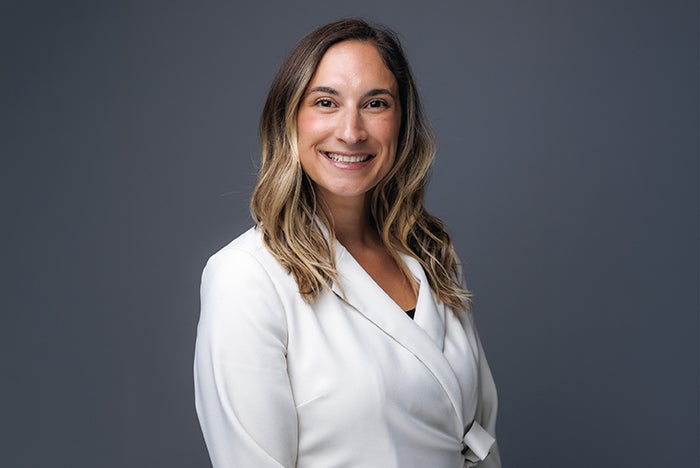
American Society for Health Care Engineering (ASHE) Executive Director Lizzie Ortolano recognizes both the challenges and opportunities of today’s field. In this interview, she discusses how ASHE is equipping members through education, partnerships and embracing new strategies.
What needs are you hearing about from ASHE members today?
Members are telling us that the field is experiencing transition. We’re experiencing a multigenerational workforce — one that values flexibility, balance and different career pathways. Health care facilities operate 24/7/365, and it is of utmost importance that facilities operate effectively. This requires supervision around the clock, and it can be difficult to hire for a job that requires being on call or working later shifts.
This has an impact on existing technician and labor shortages that continue to strain operations as teams work to keep pace with regulatory demands and modernization efforts. Labor shortages can reduce the amount of time that facilities management leaders have to focus on strategy, whether that be general operations, cost-reduction efforts or even technology implementation. Many leaders also are raising concerns about succession planning, noting that retirements and turnover are accelerating.
Our members are intentional about developing the next generation of facilities professionals. To do this, leaders are thinking strategically about how they document processes and protocols and how they train current team members to ensure their success as future leaders.
Regulatory compliance also is a common conversation among our members. The level of detail and shifting regulations can make it difficult and very time-consuming for members to stay on top of everything. In addition to general compliance knowledge, the misalignment of codes and standards adds another layer of challenge for members.
These challenges require ASHE and other professional organizations to help those we represent to identify solutions. This is why organizations like ASHE exist — to help resolve challenges that require innovative thinking, partnership and support.
What is ASHE doing to help solve these challenges?
ASHE’s work is grounded in our strategic plan, which ensures that everything we do is aligned to the needs of the field.
Building a more intentional career pathway has been one of ASHE’s longer term goals to help support succession planning and career growth and development. Our certifications and certificate programs are key to skills development and serve as a platform for individuals to showcase proven knowledge. We’re working to ensure health care executive leaders are familiar with our certifications and certificate programs and encourage their staff to earn them. Updates to our certification programs include a new job task analysis, materials and exam for our Mechanic Evaluation and Certification for Health Care (MECH). The MECH supports technicians in their career journey and aims to be a steppingstone for the Certified Health Care Facility Manager.
We also work to solve these challenges through in-person networking and education. Through the Health Care Facilities Innovation Conference®, we help organizations identify efficiencies, streamline processes and adopt practices that reduce operational burden. We’re also focused on modernizing the profession, expanding education, updating resources and elevating the role of technology and innovation in day-to-day facilities operations. These efforts help support members at every stage of their career while strengthening the long-term sustainability of the field.
As we face these challenges, the beauty is that we have a community of unbelievable talent to meet them head on. This includes our members, industry partners, ASHE Chapters, like-minded organizations and the amazing skills and expertise we have on our ASHE team.
For instance, ASHE is fortunate to have an outstanding Regulatory Affairs Team on staff. Led by Chad Beebe, deputy executive director of regulatory affairs, and senior associate directors Jonathan Flannery and Leah Hummel, and Sustainability Senior Specialist Austin Wallace, the team brings a laser focus to regulatory standards. Their goal is to ensure ASHE is at the table representing health care and our members when standards-developing organizations are convening. They also visit our members across the country to share more about changes in the field and, more importantly, how members can help. This team can’t do it alone, though! ASHE relies heavily on our members to share when there are regulatory burdens or new legislation impacting their facilities. We can help drive conversations with their legislators and help combat unnecessary regulations.
As the field evolves, what is ASHE doing to meet members where they are?
We have two important approaches. The first focuses on accessibility, especially for those who don’t have the time or support to travel long distances for in-person education. The second is focused on supporting all career levels and our members’ long-term goals.
The ASHE Core Competency Framework™ helps support both of these approaches. We’ve focused our education on the eight core areas for health care facilities management: administration, compliance, energy management, finance, maintenance and operations, managing risk, project management and sustainability. Members can find an immense amount of education online that can be completed in a self-paced environment or via Live Online Training. We work to keep these offerings cost-effective, and we have several trainings that are complimentary for everyone, not just members.
Also, our ASHE Chapters are one of our greatest assets. ASHE is a national organization, but we can’t be everywhere. Chapters provide insights and direct connection to the day-to-day realities of facilities professionals. They help us ensure that knowledge-sharing flows both ways — national to local and local to national. In addition, the creativity and variety of events they host help support those who want to engage but can’t travel across the country and be away for several days.
We also invest in helping members adopt strategies that make their work more efficient. Through resources like the Reliability-Centered Maintenance (RCM) Journey for Health Care Facilities, we share knowledge about how data from technologies like building automation systems and computerized maintenance management systems help with predictive analytics, moving facilities managers into a proactive mode.
How can members get involved in work like the RCM Journey and other ASHE opportunities?
ASHE’s greatest asset is our members. By volunteering, they help to solve real problems and drive success in the field. ASHE has committees and task forces focused on specific projects. These opportunities typically crop up when there is a specific need, but we also have groups that are focused on our annual work. I encourage anyone to visit my.ashe.org/volunteeropportunities to learn more.
Whether your ultimate goal is to serve on the ASHE Advisory Board one day or to contribute through incremental volunteering, we encourage members to step forward and lend their voice. You don’t need to be at the pinnacle of your career to make a meaningful impact — our field benefits from perspectives across all levels of experience. By getting involved, members help shape the profession’s future while building their own leadership skills and expanding their networks.
How does ASHE leverage strategic relationships to benefit the field?
ASHE’s strength is amplified by being part of the American Hospital Association (AHA). We have access to national data, policy insights and cross-disciplinary expertise that help us anticipate trends and advocate effectively for our members.
We also intentionally cultivate relationships across AHA’s other professional membership groups. For instance, during our Health Care Facilities Innovation Conference on Aug. 2-5 in Minneapolis, we are hosting a cross-discipline panel that will look into the future of health care through the lens of different departments, including risk management, supply chain, capacity management, environmental services, etc. The session, “Back to the Future: 2030 Health Care Edition,” will focus on what to expect for the future of health care and the importance of cross-collaboration. Our partnerships allow us to bring a more holistic perspective to the challenges of health care facilities and elevate the visibility of the field within the health care ecosystem.
Jamie Morgan is senior editor at Health Facilities Management magazine.
Related Articles

Say, ‘Yes, Chef’ to improving your influence in the workplace
Mastering the many forms of influence in the workplace will help you achieve your career goals.

The benefits of professional certification
Data from the American Society for Health Care Engineering's biennial Salary Survey reveals the monetary benefits and more associated with professional certifications.

Forming a strategic partnership with human resources
Strong stewardship of the healthcare physical environment begins with working with human resources to recruit and develop the right team members.