

Preventing winter rodent activity in health care facilities
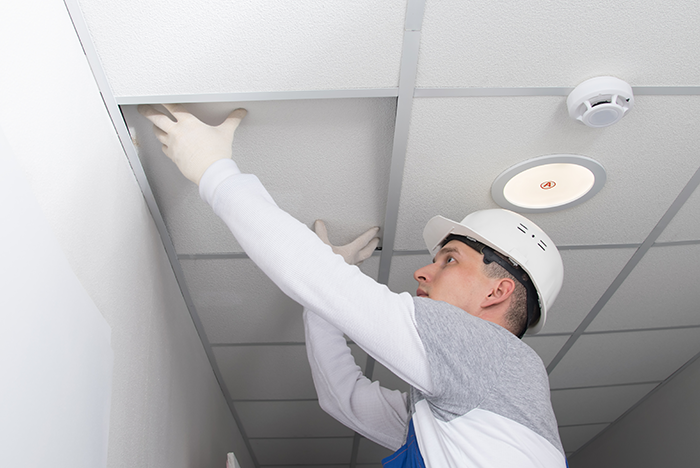
Various spaces within health care facilities can provide hidden shelter for rodents, making proactive detection important to maintain safety.
Image from Getty Images
For health care facilities teams, winter brings a familiar set of operational challenges: fluctuating census levels, strained staffing, increased utility demands and heightened infection prevention concerns. What often receives far less attention during these colder months is a quieter but persistent risk: rodent activity inside health care environments.
As outdoor temperatures drop, rodents actively seek warmth, food and shelter indoors. Hospitals, outpatient clinics and senior living communities offer all three, often operating continuously and at a scale that can make small vulnerabilities difficult to detect. While rodent pressure exists year-round, it is often highest in the winter. Minor lapses can escalate into compliance concerns, infrastructure damage or patient safety issues if left unaddressed.
The challenge is to remain vigilant and proactively inspect for pests as an operational discipline tied directly to patient safety, accreditation and reputation.
Why rodent activity spikes in winter
Rodents are highly adaptive animals, but cold weather fundamentally changes their behavior. As temperatures drop, outdoor food sources become scarce and survival instincts drive rodents indoors. Unlike seasonal insects, rodents do not simply disappear in winter; they become more determined, persistent and resourceful.
Infographic
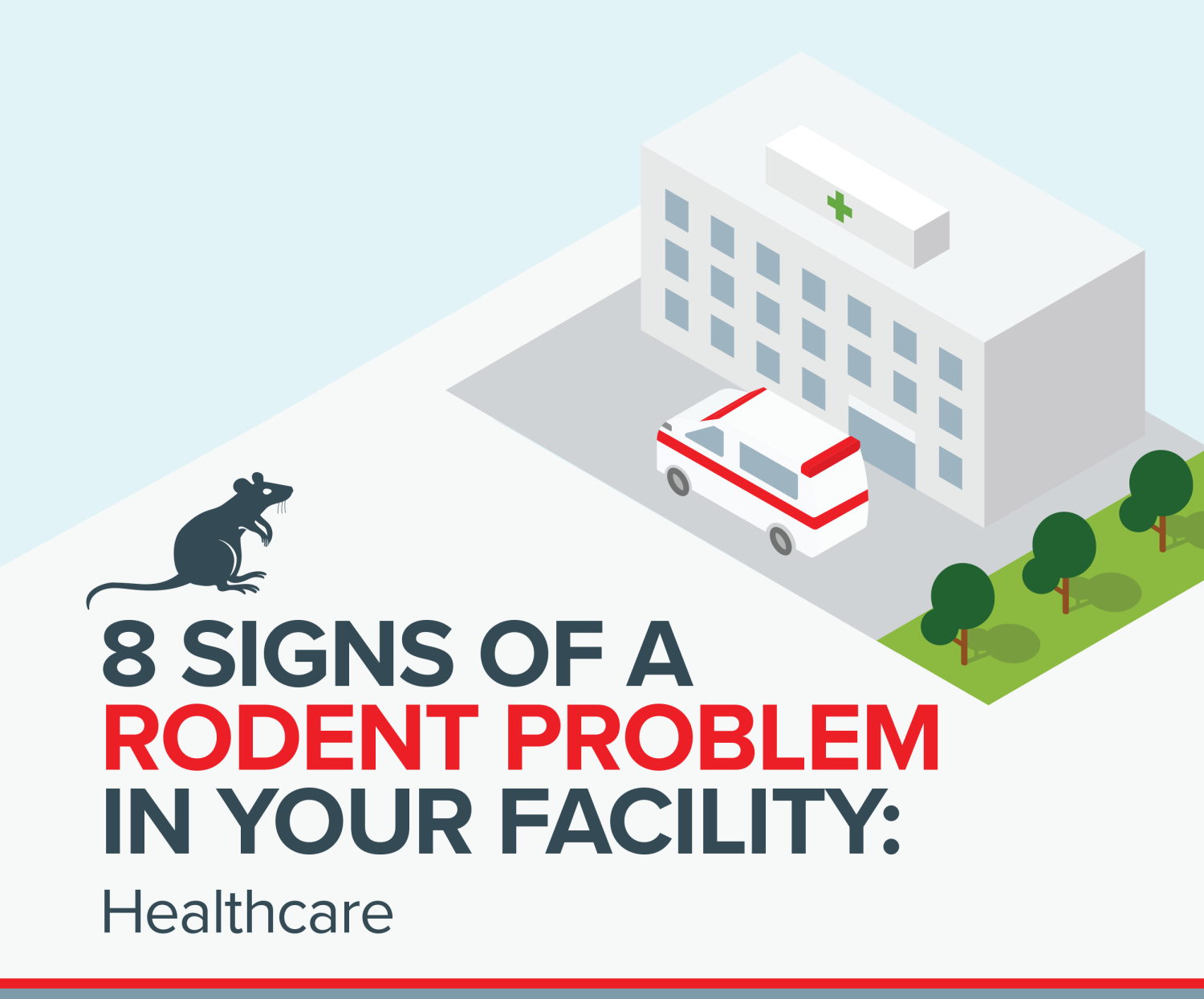
Infographic courtesy of Rentokil
Health care facilities are particularly attractive for several reasons. Many operate continuously, providing consistent warmth and odors that attract pests. Food service operations, nourishment stations, vending areas and waste-handling zones provide steady access to food. Mechanical rooms, loading docks, utility penetrations and aging building envelopes create opportunities for entry that may go unnoticed during warmer months.
Winter itself also can introduce new vulnerabilities. Expansion and contraction caused by temperature shifts can open gaps around doors, pipes and foundation joints. Temporary repairs made during earlier seasons may fail under cold conditions. Snow removal efforts can unintentionally block exterior drains or push rodents closer to building perimeters. At the same time, facilities teams are often stretched thin managing weather-related maintenance, which can push pest concerns lower on the priority list until activity becomes visible.
The risks to patient safety and compliance
In health care environments, the presence of rodents carries risks that extend far beyond nuisance or discomfort. From an infection prevention standpoint, rodents can contaminate surfaces, supplies and food areas through droppings, urine and hairs. Even limited activity in nonclinical areas can present downstream risks if not identified and managed quickly.
Infrastructure damage is another often-overlooked consequence. Rodents gnaw continuously to manage tooth growth, which can potentially damage structures, wiring, insulation and many other materials. These issues can trigger more than maintenance headaches. Depending on the area, this could result in expensive repairs and sudden downtime.
Regulatory and accreditation implications also come into play. Inspectors and auditors expect health care organizations to demonstrate proactive pest management programs, thorough documentation and timely corrective actions. Evidence of rodent activity, especially if it appears recurring or poorly managed, can raise questions about broader environmental safety practices. In some cases, pest-related findings contribute to citations that require formal remediation plans and follow-up inspections.
Finally, reputational risk cannot be ignored. Patients, residents, families and staff expect environments to be clean, controlled and safe. A single reported rodent sighting can quickly erode trust, particularly in senior living or inpatient settings where perceptions of safety are closely tied to quality of care.
Common wintertime vulnerabilities
Mice don’t need a lot of space to get inside. Despite best intentions, many facilities teams encounter the same winter-related blind spots year after year. One of the most common is underestimating how small entry points can become significant access routes. Gaps as small as a quarter of an inch around doors, utility lines or loading docks are enough for rodents to enter.
Storage and waste-handling practices also tend to shift during winter. Supplies may be staged indoors longer due to weather, waste removal schedules may change and clutter can accumulate in back-of-house areas. These conditions create shelter and food access that rodents quickly exploit.
Perhaps the most impactful gap is reliance on reactive pest management. When action is driven primarily by sightings, the response often comes too late, after rodents have established nesting areas or spread activity across multiple zones. In health care settings, where tolerance for risk is low, this approach leaves little margin for error.
Data and connected rodent monitoring
Industry data emphasizes the need for earlier visibility into rodent activity. Infestations are often driven by building access points and day-to-day operational conditions, not isolated incidents alone. This highlights the value of monitoring and documentation that can identify risks sooner and support a more preventive, rather than reactive, approach.
Increasingly, organizations are turning to connected rodent monitoring to close these gaps. Unlike traditional traps that require manual checks, connected monitoring systems provide continuous visibility into activity, alerting facilities teams when rodents are detected, even in areas that are rarely accessed.
This early detection capability is particularly valuable in winter, when rodent movement increases and response time matters. Real-time alerts allow teams to address issues before activity spreads, reducing the likelihood of contamination or infrastructure damage.
Beyond detection, these systems generate data that support accountability. Trend tracking helps identify recurring problem areas, seasonal patterns or operational changes that correlate with increased activity. This documentation plays an important role in compliance and audit readiness, demonstrating that pest management is proactive, monitored and integrated into environmental safety programs.
Notably, many best practices overlap with those used in food safety environments, where continuous monitoring, documentation and preventive controls are standard. Facilities that adopt similar visibility-driven approaches are better positioned to manage risk consistently, rather than episodically.
Practical prevention strategies
While technology plays an important role, winter rodent prevention begins with fundamentals. Facilities teams can take several immediate steps during peak winter months:
- Conduct seasonal exterior and interior inspections focused specifically on rodent entry points.
- Reinforce door sweeps, seals and weather stripping, particularly around loading docks and service entrances.
- Review waste-handling and storage practices to ensure food sources are minimized and contained.
- Reduce clutter in mechanical rooms, storage areas and corridors where rodents may nest.
- Report any and all sightings of rodent droppings and tracks to your pest management provider.
Integrated pest management is an integral component of maintaining a safe and secure environment for all parties involved. Rodent activity should not be treated as a standalone issue, but rather as part of environmental risk management that includes sanitation, maintenance and documentation.
Partnering with pest management professionals who understand health care-specific requirements also can strengthen prevention efforts. Risk assessments tailored to facility type, patient population and operational flow help prioritize resources and ensure that mitigation strategies align with regulatory expectations.
Winter is not the time to discover gaps in a facility’s pest management program. The combination of increased rodent pressure, operational strain and heightened regulatory scrutiny means that small issues can escalate quickly if left unaddressed.
Facilities that act early, before the coldest months set in, are far better positioned to protect patients, staff and operations. Prevention, visibility and documentation form the foundation of effective winter rodent management, transforming a traditionally reactive challenge into a controlled, measurable process.
In health care environments where safety and trust are paramount, proactive rodent control is not just a facilities concern but an essential component of quality care.
Emory Matts is technical services manager at Rentokil. Connect with Emory on LinkedIn.
Related Articles

Nuvolo launches regulatory compliance management to tie survey readiness directly to maintenance work
New capability maps regulatory standards to assets so healthcare organizations can build compliance evidence as work gets done.
Security ecosystem helps manage risk
City of Hope partnered with Motorola Solutions to developed a layered security strategy for its 100-acre California campus.
Healthcare proposals help shape 2027 I-Codes
With the 2027 International Code Council code cycle complete, here’s a review of successful changes advocated for by the Committee on Healthcare.